

Quick answer: After Botox, avoid rubbing or massaging the treated area, stay upright for at least 3–4 hours, and avoid strenuous exercise for 24 hours unless instructed otherwise. You can gently wash your face, but avoid scrubbing, exfoliating, or applying pressure to the injection sites. For best results, avoid alcohol, excessive heat, facials, and facial massage for the first day.
Botox injections are a popular, safe, and effective way to reduce the appearance of wrinkles and fine lines. However, to achieve the best results, it’s crucial to follow the right aftercare instructions. Understanding the do’s and don’ts after Botox will help maximize your results and minimize any potential side effects. If you’ve recently received Botox treatment or are considering it, this article will help you get the most out of your procedure.
Key Takeaways
- Avoid rubbing, massaging, or applying firm pressure to treated areas after Botox.
- Stay upright for about 3–4 hours after treatment unless instructed otherwise.
- Avoid strenuous exercise and excessive heat during the first 24 hours.
- Wash your face and apply makeup gently without scrubbing or pressing on injection sites.
- Most normal activities can be resumed quickly, but unusual or worsening symptoms should be evaluated
Botox Aftercare Timeline: What to Do After Treatment
Botox requires minimal downtime, and most patients can return to their normal daily activities shortly after treatment. However, a few simple precautions may help minimize bruising, swelling, irritation, and unnecessary pressure on the treated areas. According to Cleveland Clinic’s Botox aftercare guidance, recommendations commonly include avoiding rubbing or massaging the treated areas and remaining upright for several hours after treatment.
The First 4 Hours After Botox
- Stay upright. Avoid lying flat for approximately 3–4 hours after treatment unless your doctor gives you different instructions.
- Do not rub, massage, or press on the treated areas. Gentle touching is generally different from rubbing or massaging, but avoid repeated pressure or manipulation around the injection sites.
- Normal facial expressions are fine. You can smile, frown, raise your eyebrows, and move your face normally. There is no need to deliberately exercise the treated muscles unless your doctor recommends it.
- Use a cold compress gently if needed. A cool compress can be used for temporary redness, swelling, or soreness, but avoid applying firm pressure.
- Keep the injection sites clean. Avoid unnecessary touching, particularly with unwashed hands.
During the First 24 Hours
- Avoid strenuous exercise if instructed. Your provider may recommend skipping intense workouts, running, heavy lifting, hot yoga, or other vigorous activities for the first day. Exercise can temporarily increase blood pressure and may contribute to bruising in patients who are prone to it. Cleveland Clinic notes that evidence that exercise affects how Botox settles is limited, so recommendations may vary among providers.
- Wash your face gently. You can wash your face after Botox, but use lukewarm water, a mild cleanser, and light pressure. Avoid scrubbing, exfoliating, facial cleansing brushes, or massage over the treated areas.
- Be gentle when applying makeup. Avoid rubbing or pressing firmly over injection sites, particularly if they remain red, swollen, or sensitive.
- Avoid excessive heat. Saunas, steam rooms, hot tubs, very hot showers, and prolonged heat exposure may aggravate temporary redness or swelling.
- Avoid facial massage. Hold off on gua sha, facial rollers, massage devices, or other treatments that involve significant pressure over recently treated areas.
- Use caution with alcohol. Alcohol can make some people more prone to bruising, so your injector may recommend avoiding it around the time of treatment.
- Do not stop prescribed medications on your own. If you take aspirin, blood thinners, anti-inflammatory medications, or other prescribed drugs, speak with your prescribing clinician before making any changes.
24–48 Hours After Botox
Most patients can gradually return to their normal skincare and daily routine after the first day. In fact, the official BOTOX Cosmetic website describes treatment as requiring minimal downtime.
During the first 24–48 hours, continue to use caution with:
- Vigorous facial massage or significant pressure over treated areas.
- Aggressive exfoliation if your skin remains irritated.
- Facials or cosmetic treatments that involve substantial rubbing, pressure, or manipulation.
- Activities that noticeably worsen redness, swelling, or bruising.
For example, Cleveland Clinic recommends waiting at least 24 hours before a facial or massage because these treatments involve rubbing and manipulating the treated areas. Patients with lingering bruising or swelling may prefer to wait longer.
If your skin feels normal, gentle cleansing, moisturizing, sunscreen, and your usual daily activities can generally be resumed according to your doctor’s recommendations.
During the First 1–2 Weeks
Botox results develop gradually rather than immediately. During this period:
- Give the treatment time to take effect before evaluating your results.
- Avoid repeatedly pressing or manipulating the treated areas to “check” the Botox.
- Return to your normal skincare routine once any injection-site sensitivity has resolved.
- Use sunscreen daily to protect your skin from UV-related aging.
- Attend your recommended follow-up appointments to assess your results.
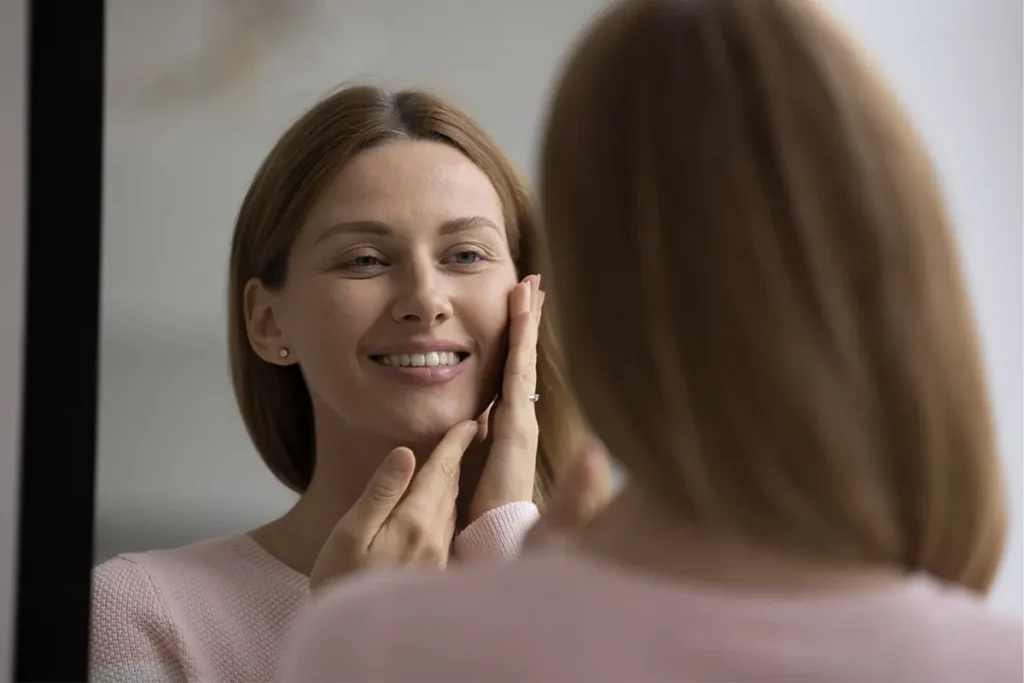
Most temporary injection-site effects, such as mild redness, swelling, tenderness, or bruising, improve on their own. However, patients should be aware that BOTOX Cosmetic can rarely cause serious adverse effects. The official BOTOX Cosmetic safety information advises seeking medical help right away for symptoms such as difficulty swallowing, speaking, or breathing.
Maximize your Botox benefits!
Book an appointment with Dr. Yamasaki for personalized advice that works.
Why Botox Aftercare Matters
Botox requires minimal downtime, but following appropriate aftercare instructions can help reduce temporary bruising, swelling, irritation, and unnecessary pressure on the treated areas. I provide personalized aftercare recommendations based on the areas treated and each patient’s individual needs.

How To Maintain Your Botox Results
To enjoy long-lasting Botox effects, it’s important to adopt a routine that supports your skin and facial aesthetics. Simple lifestyle adjustments and consistent skincare can extend the duration of your Botox benefits. Follow these recommendations to keep your results looking fresh and natural for as long as possible.
- Stick to a consistent treatment schedule: Regular appointments help maintain a smooth, youthful look.
- Choose gentle skincare products: Avoid exfoliants, retinoids, and strong acids for a few days after treatment.
- Use sunscreen daily: Protect your skin from UV damage to maintain youthful results.
When To Contact Your Botox Provider
Contact your injector’s office if you experience:
- Significant or worsening redness, swelling, bruising, or pain.
- Signs of infection around an injection site.
- Persistent headache or discomfort that does not improve.
- Eyelid or eyebrow drooping, facial asymmetry, or results that concern you.
- Persistent eye irritation or other unexpected symptoms.
Mild redness, tenderness, swelling, or bruising can occur after injections, but symptoms that are worsening or feel unusual should be evaluated.
When to Seek Immediate Medical Care
Seek medical attention right away if you develop difficulty breathing, swallowing, or speaking, significant muscle weakness, or symptoms of a serious allergic reaction. According to the BOTOX Cosmetic safety information, these can represent rare but serious complications and should not wait for a routine follow-up.
Why Choose Yamasaki Facial Plastic Surgery for Botox?
As a board-certified facial plastic surgeon specializing in non-surgical and surgical aesthetic procedures, I have extensive experience in Botox injections, ensuring that each patient receives personalized care, precise application, and natural-looking results.
Choosing a qualified specialist helps you achieve the best aesthetic outcomes while minimizing risks.
Schedule a Botox Consultation
Have questions about Botox aftercare or want personalized recommendations for your treatment? We can help you understand what to do after Botox, what to avoid, and how to maintain natural-looking results.
Contact us today to schedule your Botox consultation and take the next step toward refreshed, natural-looking results.
Frequently Asked Questions About Botox Aftercare
Botox is generally well tolerated when appropriately administered, but side effects can occur. Temporary effects may include mild redness, swelling, bruising, headache, or discomfort around the injection sites. Less commonly, patients may experience effects such as temporary eyelid or eyebrow drooping, depending on the treatment area.
Yes, you can still smile and make normal facial expressions after Botox. Sensations of tightness or heaviness are typically temporary and should subside within a few days as the treatment settles.
Yes, you can usually wash your face after Botox, but it is important to be gentle. Use a mild cleanser, lukewarm water, and light pressure. Avoid scrubbing, exfoliating, using facial cleansing brushes, or massaging the treated areas for at least 24 hours unless your provider gives you different instructions.
Dr. Yamasaki generally recommends avoiding strenuous exercise for the first 24 hours after Botox. Intense workouts, heavy lifting, running, and hot yoga may increase temporary redness, swelling, or bruising. Light walking is usually fine. Follow the specific instructions you receive after your treatment.
You should remain upright for at least 3–4 hours after Botox. Avoid lying flat, bending forward for long periods, or putting pressure on the treated areas during this time. Staying upright may help reduce the risk of Botox spreading to unintended areas.
You can usually wear makeup after Botox, but be gentle around the injection sites. Avoid rubbing, pressing, or using firm blending motions, especially if the skin is still red or sensitive. Use clean brushes or sponges, and follow Dr. Yamasaki’s specific recommendations if she advises waiting longer.
Avoid facials and treatments that involve massage, pressure, or significant manipulation of the treated areas immediately after Botox. Wait at least 24–48 hours or longer depending on the type of facial or cosmetic treatment.
After Botox, avoid rubbing or massaging the treated areas, lying down for the first 3–4 hours, strenuous exercise for 24 hours, excessive heat exposure, heavy makeup, alcohol if you are prone to bruising, and facial treatments too soon after your appointment. These Botox aftercare instructions can help reduce avoidable side effects and support the best possible results.
Optimal Botox results appear within 3–5 days, with full effects visible in about two weeks. During this time, you should feel your facial expressions settle naturally with softened wrinkles. Touch-up treatments may be needed to help refine your individual Botox dosing needs.