
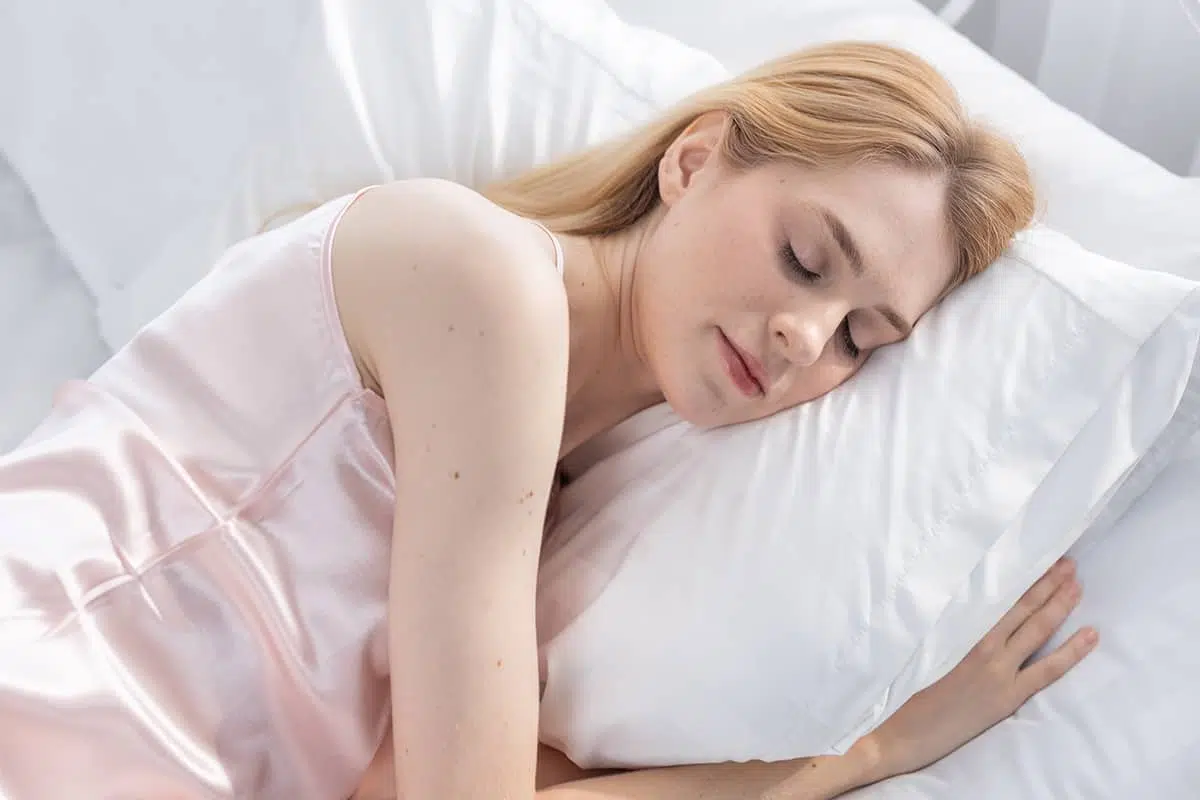
One question that comes up often in conversations about Botox aftercare is sleeping, and it makes sense. You have just had a quick, comfortable treatment, you are heading home, and you want to know whether your normal bedtime routine could undo the results. The good news is that Botox asks very little of you. With a few small adjustments on that first night, you can rest comfortably and give the treatment the best possible chance to settle exactly where it was placed.
Dr. Alisa Yamasaki is a double board-certified facial plastic surgeon and treats patients across New Jersey and Philadelphia. Much of my training at Harvard Medical School and the University of Michigan centered on the fine anatomy of the face, so I pay close attention to how small habits in the first 24 hours can shape your final result. This guide walks you through how to sleep after Botox, why your position matters, and the bedtime habits worth skipping for just one night.
Key Takeaways
- Stay upright for at least 4 hours after your Botox treatment before lying down.
- Sleeping on your back keeps pressure off the treated areas of your face.
- Side sleeping is usually fine again after the first night, once the Botox has settled.
- Avoid rubbing the face, heat, and strenuous exercise during the first 24 hours.
- Most results begin to appear within 3 to 5 days, with full effects around 2 weeks.
Can You Sleep After Botox the Same Day?
Yes, you can sleep after Botox the same day, including a full night of rest. The key is timing. I ask patients to stay upright for at least four hours after their appointment before lying down. As long as your treatment was earlier in the day, a normal bedtime is rarely a concern.
The reason comes down to how Botox works. It needs a little time to bind to the targeted facial muscles, and lying flat too soon is one of the few things that could, in theory, let it drift. Giving it those first few hours upright is one of the simplest and most effective parts of your aftercare.

Why You Should Stay Upright First
Staying upright in those first hours keeps the product where it was placed. Gravity and pressure are the two forces we want to avoid early on. When you remain seated or standing, the Botox stays settled at each injection site rather than moving toward nearby muscles. This small step lowers the already low risk of Botox migration, which is the main reason aftercare focuses so much on the hours right after treatment. If your appointment is in the morning or early afternoon, you will have cleared this window long before bedtime.
The Best Position for Sleeping After Botox
The best position for sleeping after Botox is on your back, with your head slightly elevated. This keeps your face free from direct pressure and helps any mild swelling settle overnight. You do not need special equipment or an uncomfortable setup. A normal pillow and a little awareness are enough for one night.
Sleeping on Your Back After Botox
Sleeping on your back is the most reliable way to protect fresh Botox. In this position, nothing presses against your forehead, brow, or the areas around your eyes, so the product can stay exactly where it belongs. If you are not a natural back sleeper, try resting this way for at least the first part of the night while the treatment settles. Most patients find that one night of back sleeping is very manageable.
Using Pillows to Avoid Facial Pressure
A pillow or two can make back sleeping much easier. Propping your head up with an extra pillow keeps you from rolling over and adds gentle elevation, which helps reduce overnight puffiness. Some patients like a contoured neck pillow or a travel-style pillow to keep the head centered. The goal is simple: keep your face off the mattress so there is no steady pressure on the treated areas.
Can You Sleep on Your Side After Botox?
Side sleeping is the position patients ask about most. For the first night, I suggest staying on your back so there is no prolonged pressure on one side of your face. Pressing your forehead or cheek into a pillow for hours could, in theory, nudge the product before it has fully settled. After that first night, side sleeping is generally fine again, and you can return to whatever position feels natural. If side sleeping is truly the only way you can rest, focus on the four-hour upright window first and try to keep any early pressure light.
What If You Accidentally Lie Down Too Soon?
If you lie down a little earlier than planned, try not to worry. The four-hour guideline is cautious by design, and a brief moment of reclining is very unlikely to change your results. Simply sit back up, give it some time, and continue with the rest of your aftercare. Botox migration is uncommon, and a single slip rarely causes a problem. If you ever notice something that seems off in the days that follow, reach out to my clinic and we will take a look.
Bedtime Habits to Avoid After Botox
A few common evening habits are worth pausing for the first 24 hours. None of these are complicated, and setting them aside for one night supports a smooth recovery.
- Rubbing, massaging, or applying firm pressure to your face, including during your skincare routine.
- Hot showers, saunas, and steam, since heat can increase swelling.
- Strenuous exercise, which raises blood flow and body heat.
- Alcohol, which can add to bruising and make rest less restful.
When you wash your face or apply skin products, use a light touch and let your hands glide rather than press. Gentle care is the theme for the night.
When Botox Results Start to Appear
Botox works gradually, so do not expect to see the full effect when you wake up the next morning. Most patients notice their first changes within three to five days, and the results continue to develop over about two to four weeks as the treated muscles relax. Fine lines on the forehead and around the eyes soften during this time. If a few areas still look uneven once you reach the two-week to four-week mark, that is a normal point to schedule a quick follow-up so we can fine-tune your dosing.
Every face is unique, and your treatment should be too
Get expert advice customized to you from Dr. Alisa Yamasaki. Schedule your consultation now.
Get Personalized Botox Aftercare in New Jersey and Philadelphia
Every face is different, and so is every Botox plan. The tips here cover a typical first night, but your treatment areas and goals may call for slightly different advice. I see patients throughout New Jersey and Philadelphia and provide personalized aftercare guidance with each appointment.
Schedule your consultation with Dr. Yamasaki to plan your Botox treatment and aftercare.
Frequently Asked Questions About Sleeping After Botox
You can sleep the same night as long as you stay upright for at least four hours after your treatment. That window gives the Botox time to settle into the targeted muscles. If your appointment is in the morning or afternoon, you will easily clear it before bed. A normal night of sleep after that point is perfectly fine.
A nap is fine once four hours have passed since your injections. The same upright rule applies to a short rest as it does to overnight sleep. If you feel like lying down sooner, try to wait, or rest in a propped-up position instead. Keeping your head elevated protects the treated areas while you relax.
Sleeping with your head slightly elevated maybe helpful for the first night. A little elevation eases mild swelling and makes it easier to stay off your face. An extra pillow is usually all you need. It is a small adjustment that supports a comfortable recovery.
I suggest skipping a snug eye mask on the first night, especially after treatment around the eyes or forehead. A tight mask adds steady pressure to areas where you want none. If you rely on darkness to sleep, a loose mask that rests lightly, or simply dimming the room, works well. You can return to your usual mask the next night.
About the Author
Dr. Alisa Yamasaki is a double board-certified facial plastic surgeon serving patients across New Jersey and Philadelphia. She earned her medical degree at Harvard Medical School and completed advanced fellowship training in facial plastic and reconstructive surgery at the University of Michigan, with a particular focus on facial reconstruction and skin cancer reconstruction. She blends surgical precision with non-surgical treatments like Botox to help patients achieve natural, refined results, and she is known for taking the time to make sure every patient feels informed and cared for from consultation through recovery. Dr. Yamasaki practices as part of Becker Plastic Surgery, caring for patients throughout New Jersey and Philadelphia.