
Ethnic rhinoplasty and traditional rhinoplasty use many of the same core techniques, but the surgical priorities can differ based on nasal structure, skin thickness, and the result you’re aiming for. The goal is natural-looking refinement—results that suit your facial proportions and still feel like you.
In Princeton, NJ and Yardley, PA, Dr. Alisa Yamasaki focuses the rhinoplasty consultation on the details that drive the plan: the nasal bridge, nasal tip, nostrils, skin, and any functional concerns. From there, the question becomes simple: which technique strategy best matches your anatomy and the results you want?
Ethnic vs Traditional Rhinoplasty: What to Know Up Front
- Ethnic rhinoplasty is rhinoplasty planned to refine the nose while preserving cultural identity.
- Traditional rhinoplasty techniques may use different strategies depending on skin and structure.
- The best results come from a plan based on your anatomy, not a one-size-fits-all “ideal.”
- A consultation should address both aesthetics and nasal function.
- Choosing an experienced facial plastic surgeon matters for stable, natural-looking results.
What People Mean by Traditional Rhinoplasty
Traditional rhinoplasty usually refers to a more “standard” set of rhinoplasty techniques used to address common concerns like a dorsal hump, asymmetry, a bulbous nasal tip, or overall width. In many cases, traditional rhinoplasty techniques can be an excellent fit—especially when skin is thinner, cartilage support is strong, and the desired changes are primarily reduction or smoothing.
Where traditional planning can fall short is when a surgeon relies on a narrow template. Noses vary widely across different ethnicities and even within the same family. When features such as thicker skin, a flatter nasal bridge, or wider nostrils are part of the anatomy, the plan often needs more customization to achieve predictable rhinoplasty outcomes and natural-looking rhinoplasty results.
Traditional rhinoplasty does not mean “better” or “worse.” It simply describes an approach that may be less focused on the nuances of ethnic background and how that background can influence structure, skin behavior during healing, and what proportion looks most natural.
What Ethnic Rhinoplasty Emphasizes
Ethnic rhinoplasty is planned for patients who want improvement while preserving natural ethnic appearance. Instead of pushing the nose toward a single standard often associated with Caucasian noses, ethnic rhinoplasty technique selection is guided by the patient’s facial proportions and the features they want to keep.
This approach commonly prioritizes:
- proportional refinement rather than dramatic reduction
- structural stability so results hold up over time
- results that look defined without looking overdone
- preservation of ethnic identity and cultural beauty
Because skin and structure influence what is realistic, ethnic nose job planning often places more emphasis on support, contour, and long-term balance rather than simply “making the nose smaller.”
Ethnic Rhinoplasty vs Traditional Rhinoplasty Techniques
When comparing ethnic rhinoplasty vs traditional rhinoplasty techniques, the most meaningful differences are usually about surgical priorities rather than an entirely separate procedure. Both are surgical rhinoplasties. Both can improve the look of the nose. The distinction is how the plan is built around anatomy.
Here are the main planning differences between approaches:
- Reduction vs Support: Traditional rhinoplasty may focus more on reducing or refining certain features, while ethnic rhinoplasty planning more often emphasizes structural support and shaping to maintain balanced proportions.
- Skin Thickness and Visible Refinement: Thicker skin can soften definition, so technique choices may be adjusted to achieve balanced results.
- Proportion Over Uniformity: The goal is not a generic “dream nose.” The goal is a nose that fits the patient’s face, which supports facial harmony.
- Preservation of Identity: Ethnic rhinoplasty places added focus on preserving the patient’s natural ethnic appearance—refining the nose without erasing features tied to their ethnic background.
- Nostril and Nasal Base Balance: When nostrils or the nasal base are wider, technique selection tends to focus on proportion and natural transitions rather than an overly narrowed appearance.
These are the conversations that matter most in consultation, because they define what “good results” actually mean for you. Closed rhinoplasty is ideal when adjustments are more moderate and do not require full exposure of the nasal structure.
Why Skin and Structure Matter for Results
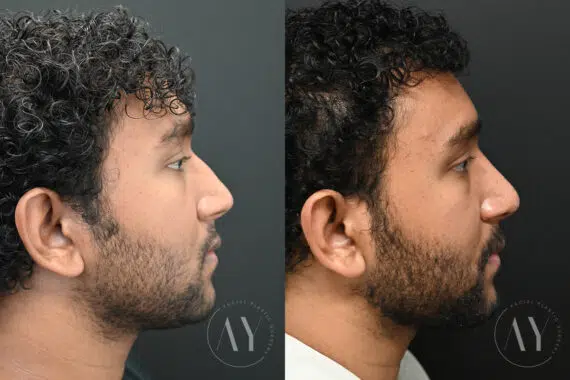
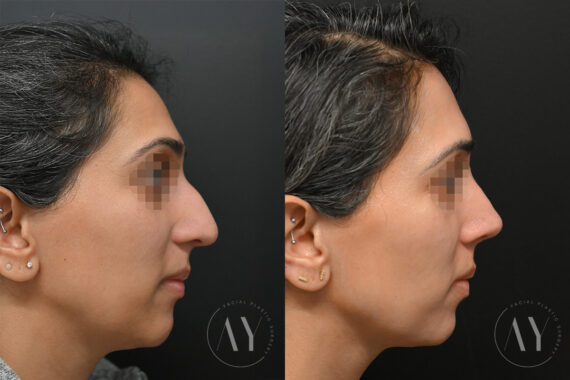
Two people can request the same outcome and still need completely different plans. That’s because skin and structure determine how the nose heals and how the final shape reads.
Skin matters because it affects visible definition. Thicker skin can soften sharp contour, especially around the nasal tip. This doesn’t prevent excellent rhinoplasty results, but it does change the strategy. The plan may need to focus on stable shape and realistic definition rather than chasing an overly sharp endpoint.
Structure matters because cartilage and bone form the framework. Some noses have strong support; others may benefit from reinforcement to maintain shape and avoid long-term instability. In ethnic rhinoplasty, a surgeon may pay especially close attention to support so the nose retains balanced projection, tip definition, and profile over time.
During consultation, it helps to talk through what your skin is likely to show, what your structure can support, and what timeline makes sense for swelling and refinement.
How Ethnic Background Can Influence Technique Choices
Patients often search terms like Asian rhinoplasty, African American rhinoplasty, and Hispanic rhinoplasty because they want a surgeon who understands that different noses can require different strategies. The safest, most accurate way to approach this is not with assumptions about what any group “should” want, but with an evaluation of nasal characteristics and patient goals.
Asian Rhinoplasty and Eastern Rhinoplasty Goals
In Asian rhinoplasty—sometimes described as Eastern rhinoplasty in certain contexts—planning often emphasizes proportion, bridge contour, and natural-looking refinement that suits the patient’s facial features. Rather than aiming for extremes, the focus is typically on balanced shaping that maintains a soft, believable look as healing progresses.
African American Rhinoplasty Concerns and Goals
For African American rhinoplasty, patients frequently prioritize refinement while preserving identity.
Technique selection may focus on proportional shaping of the nose and nostrils without creating an overly narrowed look that feels inconsistent with the face.
Hispanic Rhinoplasty and Latino Rhinoplasty Preferences
In Hispanic rhinoplasty and Latino rhinoplasty, goals can vary widely depending on the individual nose. Some patients want subtle changes; others want more noticeable refinement.
The plan should be built around anatomy, skin, and what the patient wants to preserve.
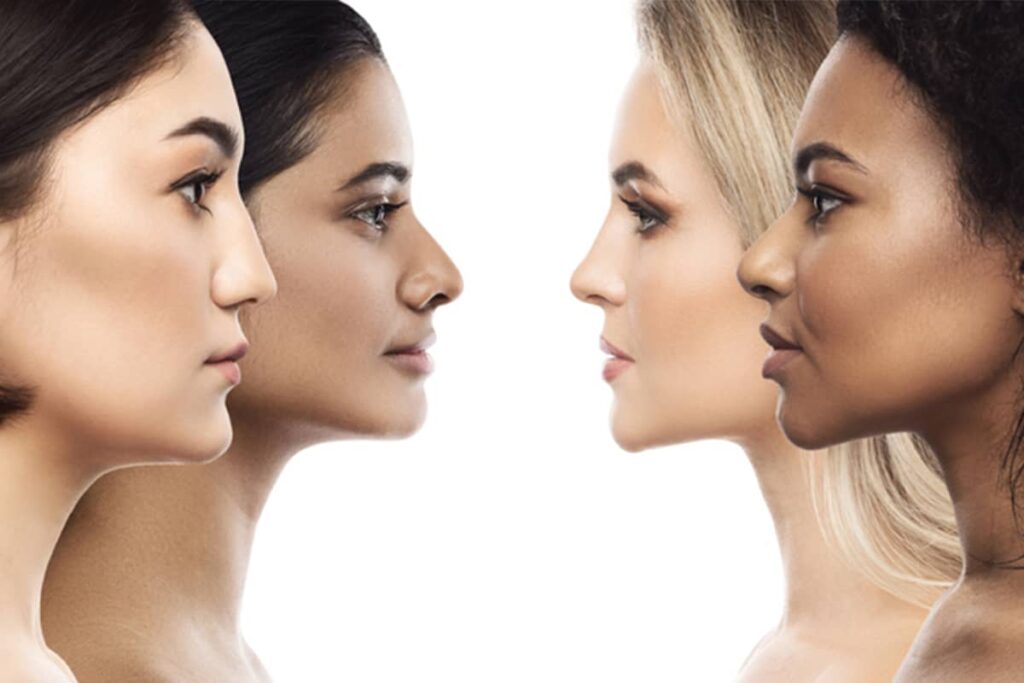
Across various ethnicities, the common thread is the same: the best ethnic rhinoplasty results come from a plan that respects ethnic background while creating facial harmony.
What to Expect During a Rhinoplasty Consultation
A rhinoplasty consultation should feel specific to your nose and your goals. A thorough evaluation helps determine whether a more traditional strategy fits your anatomy well, or whether ethnic rhinoplasty techniques should guide the plan.
A consultation typically covers:
- the shape of the nasal bridge and profile
- nasal tip definition, support, and rotation
- nostrils and base width in proportion to the face
- skin thickness and skin behavior during healing
- symmetry and any deviation
- nasal function and breathing concerns
- prior nose job surgery history, including revision rhinoplasty needs
This is also the time to talk about “results” in practical terms—what looks natural for your face, what changes matter most to you, and what a realistic outcome is based on your anatomy.
Every nose is unique and your surgery should be too
Get expert advice customized to you from Dr. Alisa Yamasaki. Schedule your consultation now.
Common Concerns Before Rhinoplasty Surgery
Ethnic rhinoplasty patients often worry about two things: losing identity and ending up with results that look overdone. Those are reasonable concerns, and they should be addressed directly.

Common questions include:
- Will I still look like myself?
- Will my nose look too narrow for my face?
- How will my skin affect definition at the nasal tip?
- If nostrils are adjusted, will it still look natural?
- What does a realistic rhinoplasty outcome look like for my anatomy?
Good planning protects against extremes. The goal is not a dramatic change for its own sake, but a balanced result that looks believable and fits the rest of the face.
Considering Other Procedures and Facial Rejuvenation
Some patients explore rhinoplasty alongside other procedures to support overall facial balance. Depending on your goals and timing, that may include facial rejuvenation options that complement nasal refinement. A consultation is the best place to discuss whether combining treatments makes sense or whether rhinoplasty alone is the right next step.
Ethnic Rhinoplasty in Princeton, NJ and Yardley, PA
Patients considering ethnic rhinoplasty in Princeton, NJ and Yardley, PA often want the same thing: a nose job that improves proportion while preserving identity. That is exactly where technique planning matters. Ethnic rhinoplasty and traditional rhinoplasty techniques can both produce excellent outcomes, but the plan should match your nose, your skin, and your goals—not a generic standard.
If you’re comparing approaches, the best next step is a consultation with a facial plastic surgeon who can evaluate your nasal characteristics, discuss your priorities, and outline what kind of rhinoplasty surgery plan fits your anatomy.
Schedule a Consultation With Dr. Yamasaki
If you’re considering ethnic rhinoplasty vs traditional rhinoplasty techniques, a consultation is the most useful step you can take. It allows you to discuss what you want to change, what you want to preserve, and how to plan for results that look natural and feel consistent with your features.
Dr. Alisa Yamasaki sees rhinoplasty patients in Princeton, NJ and Yardley, PA. To learn more about rhinoplasty surgery and the techniques that may best fit your nose and goals, schedule a consultation.
Frequently Asked Questions About Ethnic Rhinoplasty
Ethnic rhinoplasty is typically planned to refine the nose while preserving natural ethnic appearance and cultural identity. The goal is improvement and facial harmony, not erasing ethnic heritage.
It can be more technique-sensitive because skin, bridge contour, nostrils, and structural support may require more tailored planning. The procedure is still rhinoplasty, but the priorities may differ.
In some cases, yes. Changes can be considered when they improve proportion and facial harmony. The most natural results come from measured refinements that fit the overall face.
Look for a facial plastic surgeon with rhinoplasty experience, a natural aesthetic, and a consultation process that focuses on anatomy, skin, and realistic outcomes.
Revision rhinoplasty may be an option if a prior nose job surgery left concerns with shape, support, or function. A consultation is needed to evaluate structure and discuss realistic goals.