A crooked nose can draw attention for all the wrong reasons. For some patients, the concern is cosmetic, while for others it affects breathing, comfort, or both. Whether the nose appears subtly off-center or noticeably misaligned, rhinoplasty for crooked nose concerns is designed to address the underlying structural issues rather than simply disguising asymmetry. Successful correction requires a careful understanding of nasal anatomy, facial balance, and function.
At the practice of Dr. Alisa Yamasaki, crooked nose rhinoplasty is approached as a personalized facial plastic surgery procedure. Treatment planning focuses on restoring symmetry, improving nasal airflow when needed, and creating results that look natural in proportion to the rest of the face.
Five Key Takeaways About Crooked Nose Rhinoplasty
- A crooked nose often reflects deeper structural misalignment, not just surface asymmetry.
- Rhinoplasty correction focuses on both appearance and nasal function.
- Surgery is usually required for true nose straightening.
- Non-surgical options may offer limited camouflage in select cases.
- Choosing an experienced facial plastic surgeon is essential for balanced results.
What Causes a Crooked Nose?
A crooked nose can develop for several reasons, and in many cases, multiple factors are involved. Understanding the cause helps guide the most appropriate treatment approach.
Common causes include nasal trauma such as a broken nose from sports injuries, accidents, or falls. Even injuries that occurred years earlier can alter nasal bones and cartilage as healing progresses. Some patients are born with nasal asymmetry due to genetics or developmental differences in the nasal structure.
Previous nose surgery can also result in a crooked appearance. Scar tissue, uneven cartilage healing, or incomplete correction during an earlier procedure may lead to persistent or worsening crookedness. In these cases, revision rhinoplasty may be required to address both cosmetic and functional concerns.
How a Crooked Nose Can Affect Breathing and Daily Life
While many patients seek nose straightening for aesthetic reasons, crooked noses can also interfere with breathing. Internal nasal structures such as the septum may be deviated, reducing airflow through one or both nostrils. This can contribute to breathing problems, frequent sinus infections, mouth breathing, or sleep disruption.
Functional rhinoplasty addresses these internal issues while improving external alignment. Correcting nasal asymmetry often improves nasal function, which can enhance comfort during exercise, sleep, and daily activities. For patients experiencing both cosmetic and breathing concerns, a comprehensive approach is essential.
Treatment Goals for Rhinoplasty for a Crooked Nose
The goal of crooked nose correction is not simply to make the nose perfectly straight in isolation. Instead, the focus is on creating facial symmetry and balance while maintaining natural contours. Because the face itself is rarely perfectly symmetrical, subtle refinements often produce the most harmonious results.
Treatment goals typically include straightening the nasal bridge, aligning the nasal tip, improving nostril symmetry, and restoring proper nasal airflow. Achieving these outcomes requires precise surgical planning and a thorough understanding of facial anatomy.
Nose Straightening Surgery and Surgical Techniques
True nose straightening usually requires surgical rhinoplasty. During the procedure, the surgeon carefully repositions nasal bones and reshapes cartilage to correct misalignment. This may involve controlled bone cuts, cartilage grafting, or internal structural support to maintain long-term stability.
Crooked nose surgery often addresses both the external nose and internal nasal septum. Straightening the septum helps support the nasal structure and improve breathing. Because nasal cartilage tends to shift during healing, advanced techniques are used to help maintain alignment as swelling resolves.
Non-Surgical Rhinoplasty and Dermal Fillers: What They Can and Cannot Do
Some patients ask whether liquid rhinoplasty using dermal fillers can correct a crooked nose. In limited cases, fillers may help camouflage mild asymmetry by smoothing contours along the nasal bridge. However, non-surgical rhinoplasty does not straighten the nose or correct internal nasal structures.
Dermal fillers cannot reposition nasal bones or cartilage. For patients with significant crookedness, breathing issues, or structural deviation, surgical rhinoplasty remains the most effective and lasting solution. A consultation helps determine whether non-surgical options are appropriate or whether surgery is recommended.
Take the First Step Toward Nose Refinement
Request your consultation with Dr. Alisa Yamasaki today and begin your personalized journey.
Revision Rhinoplasty for Persistent Crookedness
Patients who have already undergone nose surgery but still notice crookedness may be candidates for revision rhinoplasty. Revision procedures are more complex because of scar tissue and altered anatomy, but they can successfully address residual asymmetry when planned carefully.
Revision rhinoplasty focuses on restoring structural support and correcting underlying deviations rather than simply adjusting surface appearance. Selecting a surgeon experienced in both primary and revision rhinoplasty is especially important in these cases.
What to Expect During a Consultation With Dr. Yamasaki
A consultation begins with a detailed evaluation of nasal structure, facial proportions, and breathing function. Dr. Yamasaki reviews medical history, prior nasal trauma or surgery, and patient goals. Photographs may be taken to assess asymmetry and plan treatment.
During this visit, patients learn whether surgical or non-surgical treatment options are appropriate and what outcomes are realistic. This discussion helps ensure that expectations align with what rhinoplasty can achieve.
Why Surgeon Experience Matters for Crooked Nose Correction

Crooked nose rhinoplasty is one of the more technically demanding forms of nose surgery. Small adjustments can have a significant impact on both appearance and function. An experienced facial plastic surgeon understands how to balance symmetry, support, and airflow while preserving natural facial features.
Dr. Alisa Yamasaki is double board-certified and focuses exclusively on facial plastic surgery. Her approach emphasizes precision, individualized planning, and outcomes that look balanced rather than overcorrected.
Recovery After Rhinoplasty for a Crooked Nose
Recovery timelines vary depending on the complexity of the procedure. Initial swelling and bruising typically improve within the first few weeks, but subtle changes continue to refine over several months. Because crooked nose correction often involves structural work, patience during healing is important.
Most patients return to normal activities within a few weeks, with final results becoming more apparent as swelling subsides. Post-operative instructions are provided to support healing and protect surgical results.
Viewing Crooked Nose Photos and Setting Expectations
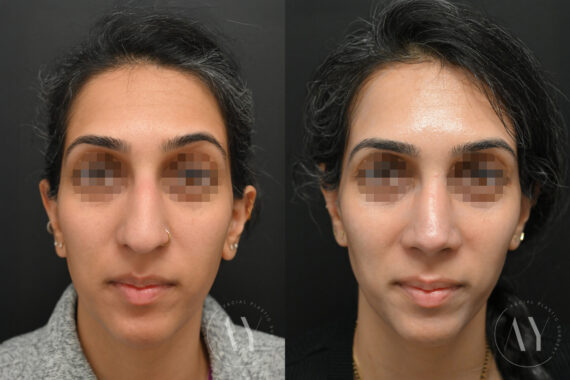
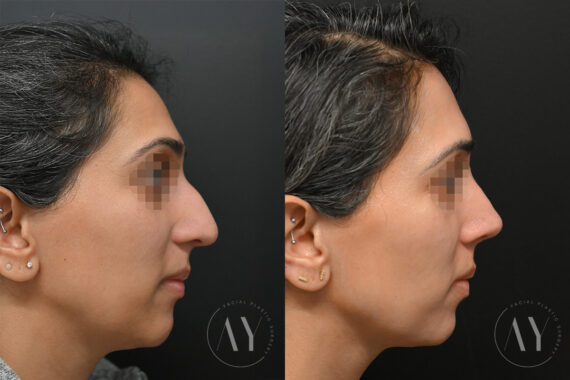
Before-and-after photos can help patients understand the range of possible outcomes. Crooked nose photos often show improvements in alignment, symmetry, and facial balance rather than dramatic changes. Reviewing photos during consultation helps set realistic expectations and guides personalized planning.
It is important to remember that each face is unique, and results are tailored to individual anatomy rather than a standardized outcome.
Why Address a Crooked Nose Promptly?
In some cases, nasal asymmetry can worsen over time due to continued cartilage shift or unresolved septal deviation. Addressing a crooked nose earlier may prevent progression of breathing issues and reduce the need for more complex correction later.
Prompt evaluation allows patients to explore treatment options before functional concerns become more significant.
Schedule a Rhinoplasty Consultation in Princeton, NJ or Yardley, PA
Patients considering rhinoplasty for crooked nose concerns are encouraged to schedule a consultation with Dr. Yamasaki. She sees patients at her offices in Princeton and Yardley, providing expert evaluation and personalized care.
A consultation is the first step toward improved nasal alignment, better breathing, and enhanced facial balance.
FAQs About Rhinoplasty for a Crooked Nose
Yes. Structural asymmetry and septal deviation can progress, especially after trauma or previous surgery.
It can be both. Many procedures address appearance and breathing function at the same time.
Revision rhinoplasty may be an option to correct residual asymmetry and improve function.
If nasal obstruction is present, improving airflow may help breathing during sleep.
A consultation determines whether surgical rhinoplasty or non-surgical options are appropriate based on anatomy and goals.