

Liquid rhinoplasty has become a popular option for patients who want to refine the shape of their nose without surgery. But one of the most common questions patients ask at Yamasaki Facial Plastic Surgery in Princeton and Yardley is simple: how long does liquid rhinoplasty last? Understanding longevity, aftercare, and what this treatment can and cannot accomplish is essential for making an informed decision.
Below is a detailed look at liquid rhinoplasty duration, maintenance, and how it compares to surgical rhinoplasty.
Key Things to Know About Liquid Rhinoplasty
- Results typically last between 9 and 18 months, depending on filler type and metabolism.
- Liquid rhinoplasty improves nasal contours but cannot correct breathing problems.
- Longevity varies based on skin quality, anatomy, and the amount of filler used.
- Touch-up treatments help maintain results over time.
- A consultation with a facial plastic surgeon ensures safe and natural outcomes.
What a Liquid Nose Job Can and Cannot Improve
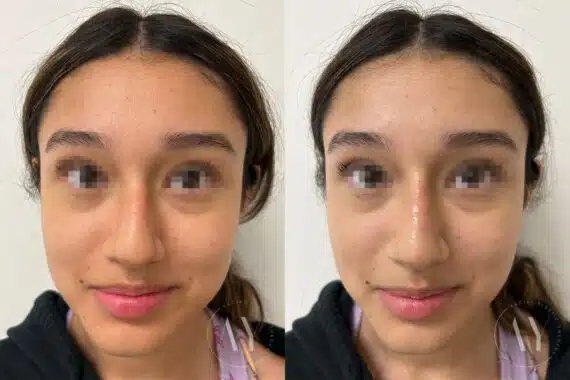
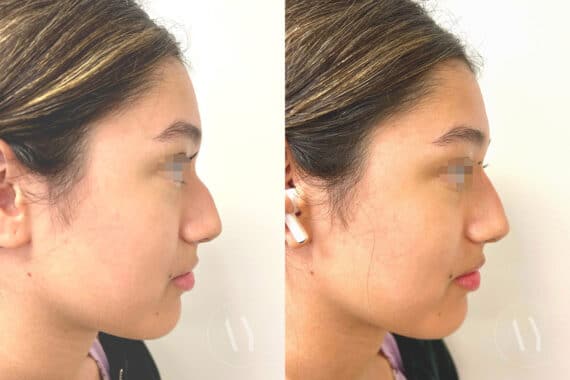
Liquid rhinoplasty reshapes the nose using injectable fillers. At Yamasaki Facial Plastic Surgery, Dr. Alisa Yamasaki uses hyaluronic acid fillers to refine nasal contours safely and precisely.
Liquid rhinoplasty can improve:
- A low nasal bridge
- Small dorsal irregularities
- Subtle asymmetries
- A drooping nasal tip
- A flat profile lacking definition
Liquid rhinoplasty cannot improve:
- Breathing issues or airway obstruction
- A deviated septum
- Large structural humps
- Significant size reduction
- Internal nasal valve problems
Because fillers add volume, liquid rhinoplasty is ideal for creating symmetry and improving the nasal profile, but it cannot remove tissue or address functional concerns. Patients needing structural changes or improved airflow require surgical rhinoplasty.
How Long Does Liquid Rhinoplasty Last? Understanding Duration and Longevity
The longevity of liquid rhinoplasty varies, but most patients experience results lasting 9 to 18 months. Some enjoy results closer to two years, while others metabolize fillers more quickly and need touch-ups sooner.
Factors that affect longevity and filler duration:
- Filler type and quality
- Metabolism
- Skin quality
- Nasal tissue characteristics
- Amount of filler used
- Overall anatomy

Hyaluronic acid fillers naturally dissolve over time as the body metabolizes them. Softer fillers may wear off more quickly, while thicker formulations placed deeper along the nasal bridge often last longer.
Understanding Longevity: Why Results Vary
Every patient’s anatomy and metabolism are unique. Patients with faster metabolic rates may notice shorter filler lifespan. Skin thickness and the strength of nasal tissue also influence how long fillers stay in place.
During your consultation, Dr. Yamasaki evaluates:
- Nasal structure
- Skin type
- Your goals and nasal appearance
- Previous rhinoplasty work, if any
- Whether liquid rhinoplasty is the best approach
This evaluation helps determine realistic expectations for longevity and whether surgical rhinoplasty or liquid rhinoplasty is the better solution.
Find Out If You’re a Good Candidate
Dr. Alisa Yamasaki carefully evaluates whether liquid rhinoplasty can address your concerns or if a surgical approach would provide better results.
How Liquid Rhinoplasty Works: Procedure and Results
Liquid rhinoplasty uses dermal fillers to enhance the nasal profile without surgery, incisions, or general anesthesia. The treatment takes only minutes and requires no significant recovery time.
Step-by-step overview of the injectable procedure:
- Anatomy assessment
- Strategic injection of hyaluronic acid fillers
- Contouring the nasal bridge or nasal tip
- Immediate evaluation of results
Patients appreciate that they can improve the look of their nose without surgery and return to daily activities the same day.
Liquid Rhinoplasty vs Surgical Nose Job
Understanding the difference between liquid rhinoplasty and traditional rhinoplasty is important when making long-term decisions about nasal enhancement.
Benefits of the Non-Surgical Nose Procedure:
- Immediate results
- No surgical procedure or general anesthesia
- Minimal downtime
- Reversible filler options
- Helpful for testing possible changes before surgical rhinoplasty
When Surgical Rhinoplasty Is the Better Option
- Breathing problems
- Deviated septum
- Nasal valve collapse
- Significant hump reduction
- Narrowing a wide bridge
- Long-term or permanent results
Surgical rhinoplasty remains the gold standard for structural corrections and long-term changes. Liquid rhinoplasty is best for temporary refinement and nonsurgical nasal enhancement.
What Affects the Longevity of Results?

Metabolism and Filler Breakdown
Patients metabolize fillers at different rates. Faster metabolism means a shorter lifespan.
Filler Type and Placement
Thicker hyaluronic acid fillers placed deeper in the nasal bridge tend to last longer.
Skin Quality
Good skin quality helps maintain definition and stability of the filler.
Amount of Filler Used
More filler may last longer, but Dr. Yamasaki prioritizes natural, balanced contouring over unnecessary volume.
Previous Rhinoplasty Work
Patients with prior surgical rhinoplasty may see slightly different outcomes depending on scar tissue, nasal tissue resilience, and anatomy.
Aftercare, Recovery, and Maintenance of Liquid Rhinoplasty Results
Proper care helps extend the longevity of liquid rhinoplasty.
Tips to Extend Filler Longevity and Maintain a Natural Nose Shape
- Avoid pressure on the nose for the first several days
- Skip glasses or sunglasses temporarily if they rest on the bridge
- Limit intense exercise for 24 to 48 hours
- Protect the skin from sun exposure
- Follow all post-treatment instructions
Touch-up treatments are typically recommended once results begin to fade. Some patients schedule maintenance once a year depending on metabolism and goals.
Is Liquid Rhinoplasty Permanent?
No — liquid rhinoplasty is not permanent. Hyaluronic acid fillers naturally dissolve over time. This temporary nature is beneficial for patients who want flexibility, reversible results, or the ability to adjust their nasal appearance gradually.
For permanent structural change, a surgical rhinoplasty is required.
Why Choose Dr. Yamasaki for Liquid Rhinoplasty?
Dr. Alisa Yamasaki is a double board-certified facial plastic surgeon specializing exclusively in facial procedures. Her approach to liquid rhinoplasty focuses on safety, precision, and natural definition that complements the patient’s existing anatomy.
Why patients trust Dr. Yamasaki:
- Expertise in nasal and facial anatomy.
- Skill in both surgical and non-surgical techniques.
- Attention to detail in filler artistry.
- Natural, balanced results.
- Personalized treatment planning.
Dr. Yamasaki’s work combines technical skill with artistic attention to detail, allowing patients to achieve significant results without surgery. Schedule here.
Frequently Asked Questions About the Liquid Rhinoplasty Procedure
Most patients enjoy results that last 9 to 18 months, depending on filler type, metabolism, and nasal anatomy.
No. Because fillers dissolve naturally, maintenance treatments are needed to sustain results.
No. Liquid rhinoplasty cannot correct functional issues such as deviated septum, airway obstruction, or nasal valve collapse.
A liquid nose job provides subtle contouring without surgery, anesthesia, or downtime. A surgical nose job creates lasting structural changes.
During your consultation, Dr. Yamasaki evaluates your nasal anatomy, reviews goals, and recommends the most suitable filler and treatment plan.
Dr. Yamasaki uses hyaluronic acid fillers because they are reversible, predictable, and safe for nasal contouring.
Most patients resume normal activities the same day. Minor swelling or redness resolves quickly.
Surgical rhinoplasty is recommended if you need functional improvements, hump reduction, significant reshaping, or permanent results.
Most patients can safely consider injectable filler refinements 6 to 12 months after a surgical rhinoplasty, once healing is complete.