
A rounded or poorly defined nasal tip can draw attention away from otherwise balanced facial features. For many patients, this concern is described as a bulbous nose, a common nasal shape that can affect facial symmetry and overall confidence. Rhinoplasty for bulbous nose concerns is specifically designed to refine the nasal tip, improve definition, and create better proportion between the nose and the rest of the face—without changing what makes someone recognizable.
Patients considering rhinoplasty for bulbous nose concerns often arrive with similar goals: a nose that looks more refined, natural, and in harmony with their facial features. Achieving that outcome requires more than a standard approach. At the practice of Dr. Alisa Yamasaki, rhinoplasty is treated as a highly individualized facial plastic surgery procedure, planned around nasal anatomy, skin thickness, cartilage structure, and each patient’s aesthetic goals.
Five Key Takeaways About Rhinoplasty for a Bulbous Nose
- Rhinoplasty for a bulbous nose focuses on refining the nasal tip rather than reducing overall nose size.
- Thick nasal skin and cartilage shape play a major role in tip appearance.
- Surgical techniques vary based on anatomy and cannot be standardized.
- Non-surgical rhinoplasty may help in select cases but has limitations.
- Choosing the right facial plastic surgeon is essential for natural-looking results.
What Is a Bulbous Nose and Bulbous Nose Tip?
A bulbous nose is typically defined by a rounded, wide, or poorly defined nasal tip. This appearance is often caused by the shape, size, or positioning of the tip cartilages, combined with nasal skin thickness. A bulbous nasal tip may appear soft or undefined, especially when viewed from the front, and can sometimes make the nose look larger than it actually is.
It is important to note that a bulbous nose is not a flaw or abnormality. It is a natural variation in nasal anatomy. Many patients seek bulbous tip rhinoplasty not to drastically change their nose, but to refine the nasal tip so it better complements their face.
Common Causes of a Bulbous Nasal Tip
Several anatomical factors can contribute to a rounded or bulbous nasal tip. Understanding these causes is essential when planning a rhinoplasty procedure, as each factor influences surgical technique and expected results.
Common causes include:
- Thick nasal skin that blunts tip definition
- Wide or weak tip cartilages
- Excessive spacing between the lower lateral cartilages
- A lack of structural support in the nasal tip
In some cases, multiple factors are present at once. This is why bulbous nose surgery must be approached with careful analysis rather than a one-size-fits-all surgical plan.
How Rhinoplasty for a Bulbous Tip Improves Nasal Shape
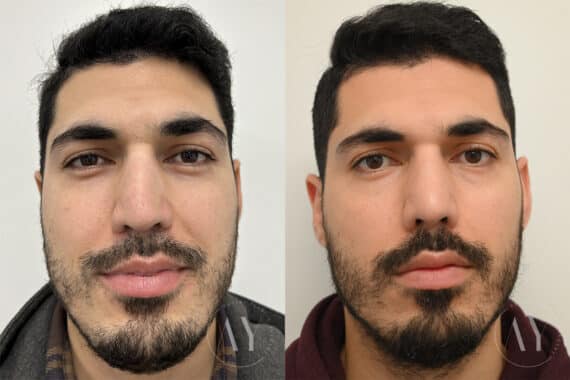
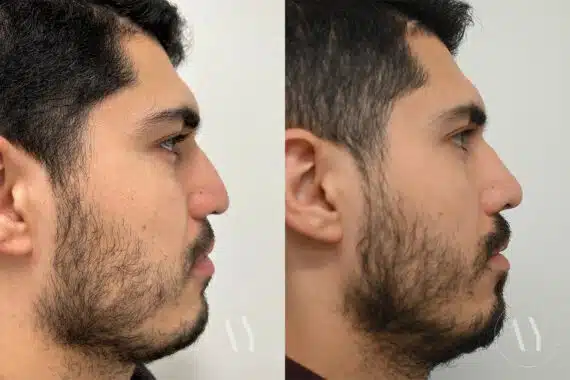
Rhinoplasty for a bulbous nose focuses primarily on reshaping and supporting the nasal tip. The goal is to create better tip definition, improve contour, and enhance facial symmetry while maintaining a natural appearance. This often involves cartilage reshaping, repositioning, or the use of cartilage grafts to strengthen and refine the nasal tip structure.
Rather than simply reducing tissue, modern rhinoplasty techniques emphasize structural support. By reinforcing the nasal tip, surgeons can achieve long-lasting results that hold their shape as swelling resolves and healing progresses.
Take the First Step Toward Refinement
Request your rhinoplasty consultation with Dr. Yamasaki today and begin your personalized journey.
Surgical vs. Non-Surgical Treatment Options
Some patients ask whether non-surgical rhinoplasty, often referred to as liquid rhinoplasty, can address a bulbous nose. In select cases, injectable fillers can improve the appearance of nasal contours by creating the illusion of better balance. However, liquid rhinoplasty cannot reduce or refine a bulbous nasal tip caused by cartilage shape or thick skin.
Non-surgical treatment may be appropriate for mild concerns or for patients who want temporary improvement, but surgical rhinoplasty remains the most effective option for true bulbous tip refinement. A consultation helps determine which treatment is realistic and appropriate.
Why Bulbous Tip Rhinoplasty Requires a Personalized Approach

Bulbous tip rhinoplasty is one of the most nuanced forms of nose surgery. Differences in cartilage strength, nasal skin thickness, and facial proportions mean that no two procedures are the same. Techniques that work well for thin skin may not produce the same results for patients with thick nasal skin.
A personalized approach allows the surgeon to select techniques that respect the patient’s anatomy while improving tip definition. This level of customization is essential for achieving natural, balanced outcomes that do not look overdone.
What Makes Dr. Yamasaki’s Approach to Rhinoplasty Unique
Dr. Alisa Yamasaki is a double board-certified facial plastic surgeon who focuses exclusively on facial procedures. Her approach to rhinoplasty emphasizes structural integrity, facial harmony, and long-term results rather than short-term changes.
Patients seeking rhinoplasty for a bulbous nose benefit from her detailed understanding of nasal anatomy and advanced rhinoplasty techniques. By tailoring each surgical plan to the individual, Dr. Yamasaki aims to create refined nasal contours that complement the face rather than draw attention to the surgery itself.
What to Expect on the Day of Surgery
On the day of surgery, rhinoplasty is performed as an outpatient procedure. The surgical team reviews the treatment plan, answers final questions, and ensures patient comfort throughout the process. Incisions are carefully placed to minimize visibility, and cartilage reshaping is performed according to the planned surgical approach.
After surgery, patients are monitored before returning home the same day. Detailed aftercare instructions are provided to support healing and protect results.
Rhinoplasty Recovery and Healing Timeline
Rhinoplasty recovery varies from patient to patient, especially for bulbous nose surgery where tip swelling can persist longer. Initial swelling and bruising typically improve within the first few weeks, while subtle changes in tip definition continue to refine over several months.
Patients should expect:
- Initial swelling and congestion during the first week
- Gradual improvement in nasal appearance over several weeks
- Final results becoming visible over 9 to 12 months
Following post-operative care instructions closely helps optimize healing and long-term outcomes.

Rhinoplasty Cost Considerations
Rhinoplasty cost depends on several factors, including the complexity of the procedure, surgical techniques used, and individual anatomy. Bulbous tip rhinoplasty may require advanced cartilage work, which can influence overall cost.
During consultation, patients receive a personalized treatment plan and a clear discussion of expected costs. While cost is an important consideration, selecting the right surgeon is often the most significant factor in achieving satisfying, lasting results.
Consult a Rhinoplasty Expert in Princeton, NJ and Yardley, PA
Patients considering rhinoplasty for a bulbous nose are encouraged to consult with an experienced facial plastic surgeon. Dr. Yamasaki sees patients at her offices in Princeton and Yardley, offering expert evaluation and personalized surgical planning.
A consultation provides the opportunity to discuss concerns, explore treatment options, and understand what rhinoplasty can realistically achieve. Scheduling a consultation is the first step toward a more refined nasal appearance and improved facial balance.
FAQs About Bulbous Nose Rhinoplasty
In some mild cases, non-surgical rhinoplasty may offer temporary improvement, but surgery is required to reshape cartilage and refine the nasal tip permanently.
Thick nasal skin can affect how definition appears, but with proper techniques and structural support, rhinoplasty can still produce meaningful improvement.
It can be more technically demanding due to cartilage structure and skin thickness, which is why surgeon experience is especially important.
When performed correctly, rhinoplasty preserves or can even improve nasal function. Functional concerns are evaluated during consultation.
While early improvements are visible within weeks, final tip refinement can take up to a year as swelling fully resolves.
When performed by a skilled facial plastic surgeon using appropriate techniques, results are designed to look natural and balanced.