
Laser Skin Resurfacing
in New Jersey & Philadelphia
Home » Procedures » Laser Skin Resurfacing
The skin is not only the largest organ, but it is also the first line of defense for the body. Signs of skin damage include sunspots, hyperpigmentation, wrinkles, loose skin, thin skin, and fine lines. Laser resurfacing corrects many of the common signs of aging by applying concentrated beams of light into the skin to remove unhealthy layers and allow fresh, healthy skin to regenerate in its place. The technique can effectively reduce facial wrinkles, scars, and blemishes, while also tightening skin and balancing skin tone.


Experience the Excellence of Dr. Yamasaki, Harvard-Trained Facial Plastic Surgeon.
Dr. Yamasaki is a Harvard-trained and a double board-certified Facial Plastic Surgeon and offers various laser skin resurfacing treatments to eliminate the appearance of the most common skin conditions. Dr. Yamasaki also performs other cosmetic surgeries and procedures such as facelift, neck lift, liposuction, fat grafting, fillers, and neurotoxin injections in New Jersey & Philadelphia.
Key Takeaways
- Laser and light treatments can address concerns such as sun damage, pigmentation, redness, fine lines, scars, and uneven skin texture.
- ProFractional laser creates microscopic treatment channels that stimulate collagen while leaving surrounding skin intact. Fractional resurfacing is also described by the American Society for Dermatologic Surgery.
- IPL (Intense Pulsed Light) is a non-invasive light-based treatment used for pigmentation, redness, rosacea, and visible blood vessels.
- The best treatment depends on your skin concerns, skin tone, medical history, and treatment goals rather than age alone.
- Recovery varies by treatment, and consistent sun protection is important while the skin heals.
Which Laser or Light Treatment May Fit Your Skin Goals?
| Skin Goal | Laser Type | Why It May Be Considered |
|---|---|---|
| Fine lines & skin texture | ProFractional | Fractional resurfacing can improve texture and stimulate collagen. |
| Scars | ProFractional | Designed to target uneven texture and the appearance of scars. |
| Sun damage & pigmentation | IPL/BBL or ProFractional | Both are discussed for sun-related concerns; selection depends on the type of damage. |
| Redness, rosacea & broken capillaries | IPL/BBL | Light energy targets vascular and redness-related concerns. |
| Multiple concerns | Personalized treatment plan | Dr. Yamasaki may select or combine treatments according to the patient's skin and goals. |
What Is Laser Skin Treatment?
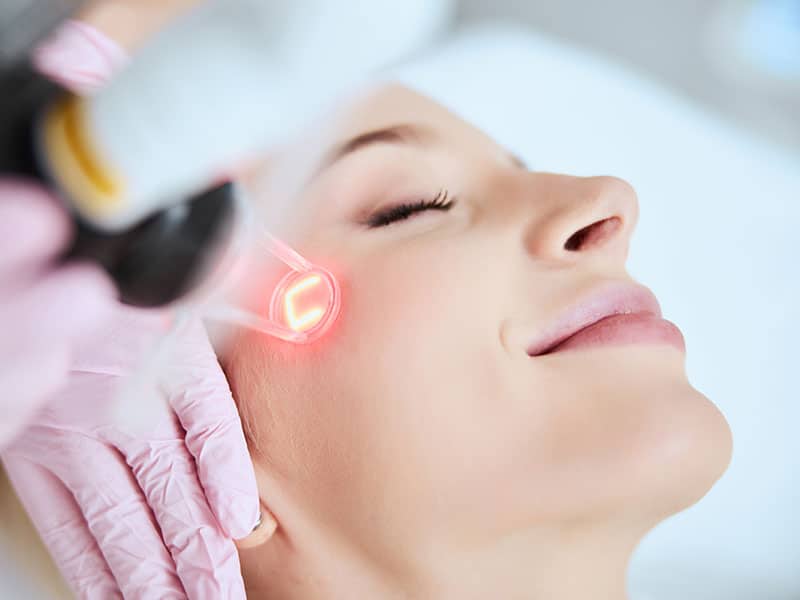
Laser skin resurfacing, as offered by Dr. Yamasaki, is a personalized treatment that effectively removes dead and damaged surface layers of skin. The end result is brighter, healthier, and better-looking skin. Dr. Yamasaki works closely with each patient and develops a personalized treatment plan designed around the critical problem areas and skin care concerns. Stubborn areas are targeted using state-of-the-art laser technology to achieve the best results.
Dr. Yamasaki uses a combination of multiple types of laser technology to help patients reveal healthier-looking skin with this minimally invasive procedure. These include:
Profractional laser for scars that just won’t fade
ProFractional Laser
ProFractional laser uses a fractional laser technique, which creates microscopic channels in the skin while leaving surrounding tissue intact. This promotes faster healing and stimulates new collagen production. This treatment is effective for reducing wrinkles, scars, sun damage, and other skin imperfections.
A prospective study of 45 patients undergoing fractional CO₂ resurfacing reported average improvements of 48.5% in skin texture, 53.9% in discoloration, and 52.4% in overall cosmetic appearance after two to three treatments. View the study on PubMed.
ProFractional laser offers the benefits of significant skin rejuvenation with minimal downtime compared to traditional ablative lasers, making it a popular choice for those seeking noticeable improvements with less recovery time. Mayo Clinic provides a useful external reference for this mechanism.
IPL for Pigmentation and Redness
See Dr. Yamasaki perform IPL treatment for concerns such as sun damage, age spots, redness, pigmentation, rosacea, and visible blood vessels.
Intense Pulsed Light (IPL)
BBL, or BroadBand Light, is an advanced form of non-invasive intense pulsed light (IPL) therapy used to treat various skin conditions and improve skin tone, texture, and appearance.
It can effectively address sun damage, pigmentation issues, vascular lesions, fine lines, wrinkles, and acne by delivering broad-spectrum light energy that targets and eliminates unwanted cells while stimulating collagen production.
In a clinical study of 34 patients with rosacea, four IPL treatments reduced cheek redness by 39% and improved visible telangiectasia by 55%, with results maintained at six months. View the study on PubMed.
The procedure is non-invasive, customizable, quick, and involves minimal downtime, making it a popular choice for skin rejuvenation and achieving healthier, more youthful-looking skin.
Laser Skin Resurfacing Benefits
Laser skin resurfacing offers a fast and effective solution for achieving healthier, more youthful-looking skin, surpassing the results of commonly available creams and serums. Dr. Yamasaki utilizes the latest advancements in laser light therapy to promote healthy skin. Each treatment aims to improve skin texture, address stubborn trouble areas, even out skin color and tone, enhance skin firmness, and reduce fine lines and wrinkles. Experience the benefits of advanced laser skin resurfacing and achieve your best skin with Dr. Yamasaki.
Laser skin resurfacing treatments in New Jersey & Philadelphia can offer the following benefits:
01
Improves the appearance of redness and vascular lesions
02
Reduces size and appearance of scars
03
Shrinks enlarged pores and reduces the size of oil glands
04
Evens out freckles, dark spots, and discoloration
05
Smoothens fine lines and can reduce the appearance of some wrinkles
06
Stimulates new collagen and deep cell regeneration
07
Reveals younger and healthier-looking skin
Laser Resurfacing Consultation in New Jersey and Philadelphia
During the consultation, Dr. Yamasaki will take the time to meet with the patient individually to address his or her concerns and expectations. She will examine the patient’s skin to evaluate troublesome areas and plan the right treatment approach. Issues such as acne scarring, rosacea, broken capillaries, discoloration, fine lines, and wrinkles will be noted. Dr. Yamasaki will ask about medical history, current medications, and any current and long-term health concerns.
Dr. Yamasaki often recommends laser skin resurfacing as part of a broader skin care and rejuvenation treatment plan. Another procedure may be recommended–such as fat transfer, liposuction, dermal filler, or neurotoxin–if your concerns will not be adequately addressed with laser skin resurfacing alone.
Neck lift and facelift patients may benefit from additional skin treatments to enhance their results. Dr. Yamasaki will address all questions and concerns to create a personalized treatment plan that aligns with your goals.
Dr. Yamasaki was wonderful!
“Dr. Yamasaki was wonderful! She answered all my questions and explained what was going on, what wasn’t going on, calmed my nerves and managed my expectations. Can’t recommend her enough!!”
Dimitry N.




The Ideal Candidate for Laser Skin Resurfacing
While laser skin resurfacing is a minimally invasive procedure, there are still some considerations to determine that laser skin resurfacing is the best option for you and will provide a safe and effective treatment. Dr. Yamasaki will do a thorough examination to determine if laser resurfacing is the best option for your skin quality and skin tone.
In some cases, laser skin resurfacing is not recommended. It is not the safest or most effective option for patients with:
- Active acne
- Active skin infections or open wounds
- History of poor skin scarring or wound healing
- Current use of medications that cause photosensitivity (e.g., Accutane, certain antibiotics)
- Very dark skin that may absorb too much of the laser beams
- Recent sun exposure, tanning, or sunburn
- Very deep wrinkles that may not be effectively treated by laser
- Excessive skin or sagging skin
It may be possible to simply postpone a laser treatment for temporary and treatable issues such as infections, use of certain medications, and sun exposure.
Laser Resurfacing Procedure For New Skin
Laser skin resurfacing can improve the appearance of many different skin tones, depending on the type of laser. During the entire procedure, local anesthesia may be used to help with patient comfort. Dr. Yamasaki uses skin resurfacing technology to address wrinkles, sunspots, and other skin conditions. The laser’s depth, location, and size are all determined by Dr. Yamasaki. Depending on the case, more than one treatment may be recommended.
Laser Resurfacing Preparation
Dr. Yamasaki will help the patients understand what they need to do in the days leading up to the treatment. The process of preparing for laser skin resurfacing can include some or all of the following:
- Avoid sun exposure to the skin for several weeks prior to the procedure
- Avoid use of anti-inflammatory drugs, aspirin, blood thinners, and certain supplements for 2 weeks prior to the procedure
- Thoroughly wash your face and neck with a mild cleanser the night prior and the morning of the procedure
- Avoid use of moisturizers, creams, serums, fragrances, sunscreen, or skin products after cleansing your face on the day of the procedure
- Short treatment of antiviral medications if you tend to have herpes outbreaks
- Short treatment of antibiotics if deemed at risk for skin infections
- Other specific preparations, as deemed necessary by Dr. Yamasaki
- Be sure you are dressed comfortably on the day of the procedure
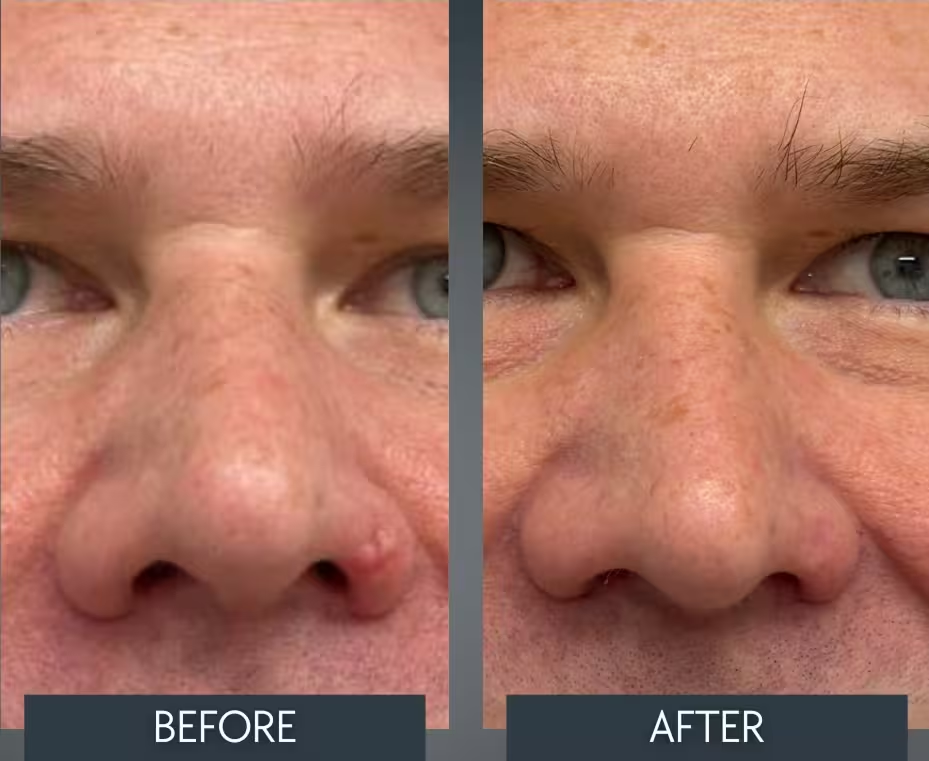
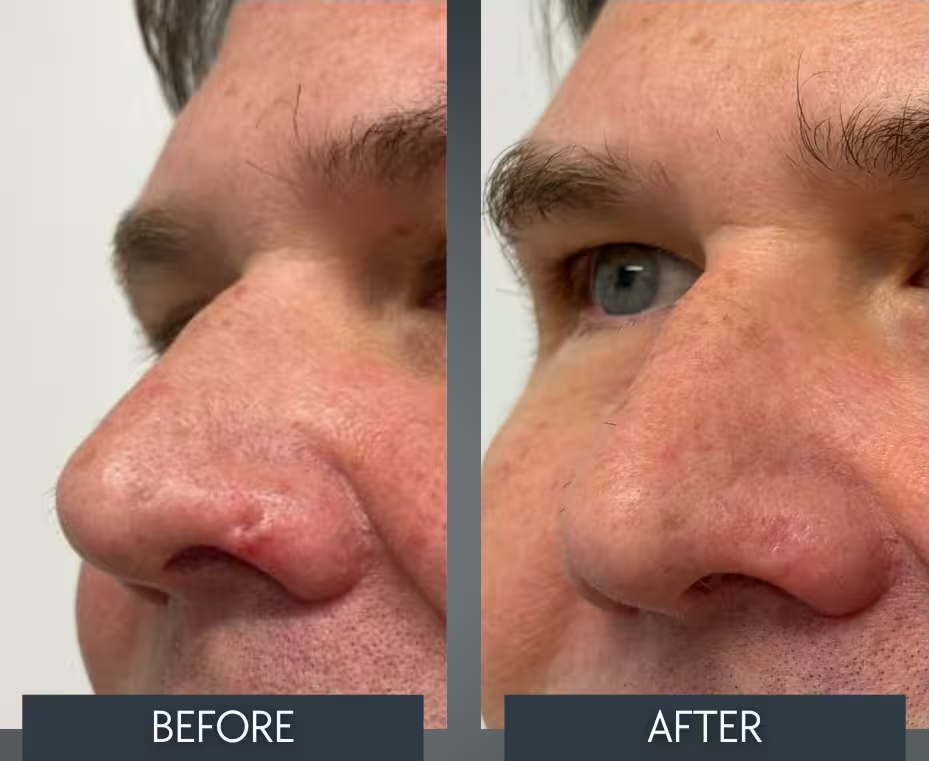
Before & After Laser Skin Resurfacing
Fractional Laser for Scar Revision — Real Patient Case
Skin Laser Resurfacing Recovery
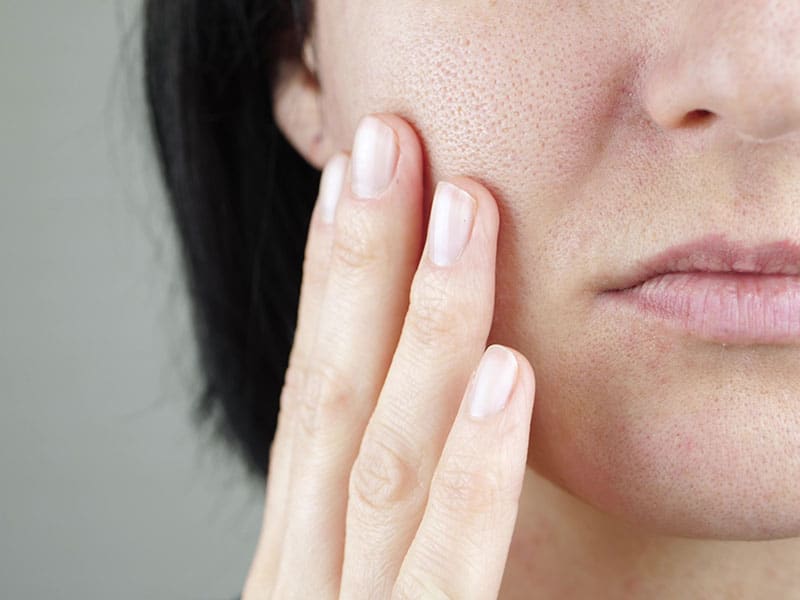
Because the specific treatment plan for laser skin resurfacing is individualized for each patient, recovery may also be variable. Dr. Yamasaki will cover patient-specific care and recovery plans post-treatment.
Swelling is normal, and there can be some redness, bruising, scabbing, and temporary skin discoloration. If itching or pain is an issue, Dr. Yamasaki will provide guidance regarding appropriate medications to help with your symptoms. It is essential for patients not to pick at their skin to avoid scarring and risk of infection.
The skin may become dry and peel within the first week following the treatment. For the next weeks to months, the laser sites will begin to heal as the new, healthier skin comes to the surface. It is vital to protect the skin during this time of healing and to keep all follow-up appointments with Dr. Yamasaki and her team.
After the initial phase of healing, sunscreen should be used on a daily basis. Dr. Yamasaki may provide recommendations regarding sunscreens and moisturizers to protect the skin as it continues to heal. Dr. Yamasaki will be available to assist with any questions or concerns you may have during the recovery process.
Laser Treatment Cost
If you would like to discuss financing options, speak with Dr. Yamasaki’s office to determine if payment plan options such as CareCredit may be right for you.
Why choose Dr. Yamasaki for your Laser Skin Resurfacing
- Skin Resurfacing Expertise: Dr. Alisa Yamasaki specializes in facial skin resurfacing and rejuvenation, with treatment plans tailored to concerns such as fine lines, sun damage, pigmentation, redness, scars, and uneven texture.
- Harvard-Trained, Double Board-Certified Surgeon: Dr. Yamasaki earned her M.D. from Harvard Medical School and completed residency training through Harvard Medical School and Massachusetts Eye and Ear. She is double board-certified in Facial Plastic Surgery and Otolaryngology–Head and Neck Surgery.
- Advanced Fellowship Training: She completed fellowship training in Facial Plastic and Reconstructive Surgery at the University of Michigan.
- Personalized Treatment Planning: Laser and light-based treatments are selected according to each patient’s skin type, concerns, medical history, and aesthetic goals.
- Academic & Penn Medicine Experience: Dr. Yamasaki is a Penn Medicine physician and has authored nearly 50 scientific articles, textbook chapters, and national and international presentations.

If you’re considering laser skin resurfacing, schedule a consultation at Yamasaki Facial Plastic Surgery in New Jersey & Philadelphia.
Laser Resurfacing Procedures Questions
Who is an ideal candidate for laser resurfacing?
The best candidates for laser resurfacing treatments are those who are looking for help with non-responsive skin issues like brown spots, sun damage, rosacea, and fine lines. Those with active skin conditions or infections, scarring problems, or are pregnant or breastfeeding are not good candidates for laser treatment. Certain medications such as blood thinners may need to be paused in advance of treatment.
What are the side effects associated with skin laser resurfacing treatments?
There can be some local irritation to the skin after laser treatment and the effect of skin resurfacing work begins to take effect. Some redness, swelling, and bruising are common. Depending on the type of laser treatment, you may also have some skin color changes, which are typically temporary. You may have some itching as the skin heals, which can easily be treated with medications. Antibiotics and antiviral medication can help prevent infection for patients for whom this has been an issue in the past. Proper aftercare, including sun protection and following the healthcare provider’s instructions, can help minimize these risks and promote effective healing.
When will I see my laser skin resurfacing treatment results?
You will typically begin to see initial results from laser skin resurfacing beginning in one week as redness and swelling subside, revealing smoother and more radiant skin. However, the full benefits of the treatment, such as improved skin texture, reduced wrinkles, and more even skin tone, can take several weeks to months to become fully apparent. This is because collagen production continues to improve and the skin continues to heal and regenerate over time. It’s important to follow post-treatment care instructions and be patient as your skin undergoes this gradual transformation.
How long will improved skin texture and laser treatment results last?
The longevity of improved skin texture and results from laser treatment can vary based on several factors, including the type of laser used, the specific skin condition treated, and individual skin care habits. Generally, the results can last from several months to a few years if you continue to maintain a good skin care regimen and avoid sun exposure.
Is laser resurfacing treatment right for me?
Dr. Yamasaki can help you decide whether ablative lasers, intense pulsed light treatment, or other laser treatments are the best choice for you and your skin concerns. In general, if you are experiencing skin discoloration issues that does not go away without extra help, it is recommended that you reach out to a professional like Dr. Yamasaki.
What is the best laser skin treatment for a 60-year-old woman?
Age alone does not determine the best laser or light treatment. For a patient in her 60s, Dr. Yamasaki considers skin tone, texture, sun damage, pigmentation, redness, scars, medical history, and treatment goals. IPL/BBL may be considered for concerns such as pigmentation, sun damage, redness, and visible blood vessels, while ProFractional resurfacing may be more appropriate when improving fine lines, scars, or skin texture is the primary goal. A consultation is needed to determine the safest and most appropriate treatment.
- Last Update: 08/21/2026
Dr. Alisa Yamasaki is a Harvard-trained, double board-certified facial plastic surgeon and otolaryngologist–head and neck surgeon serving patients in New Jersey and Philadelphia. She specializes in facial plastic surgery, facial rejuvenation, reconstructive surgery, and personalized aesthetic treatment planning.